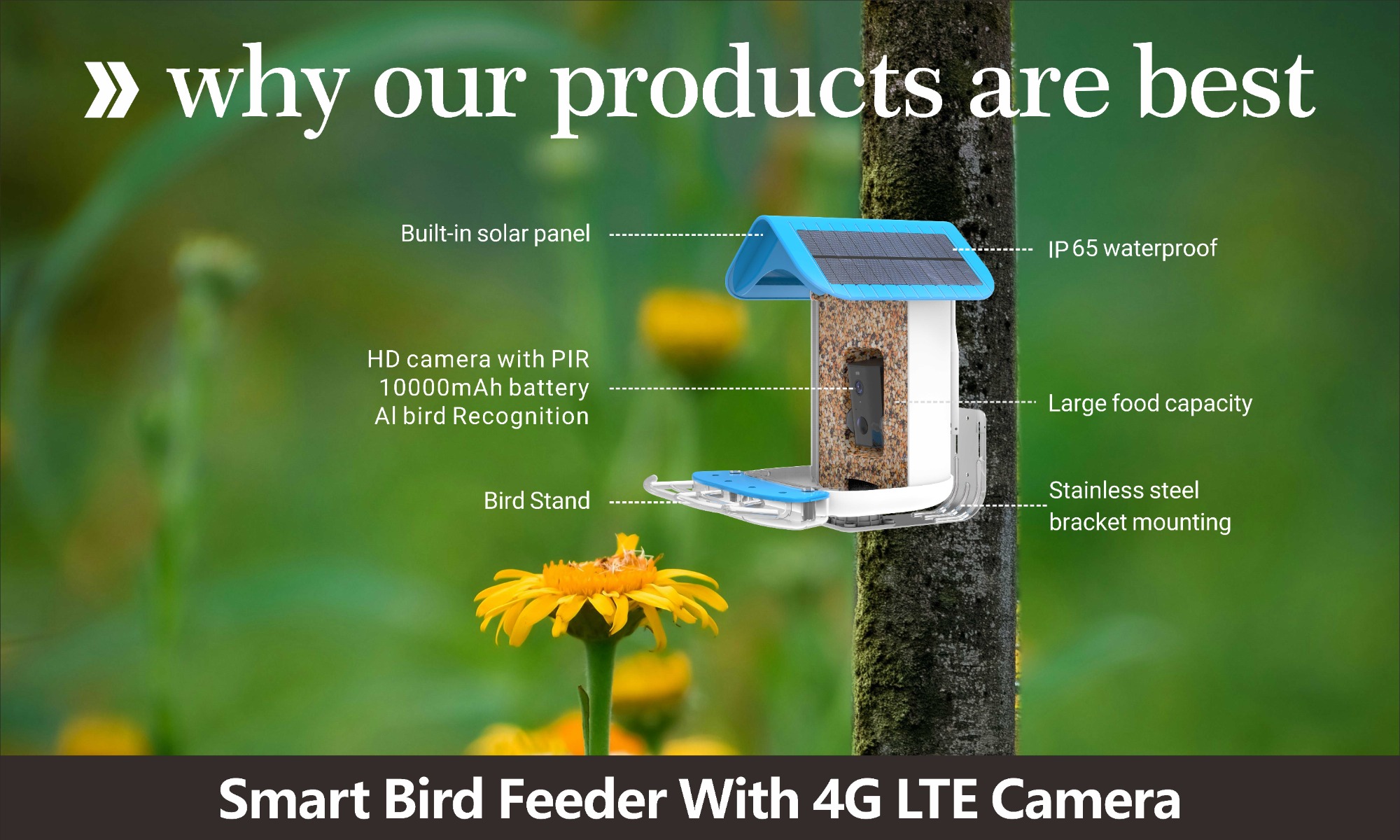
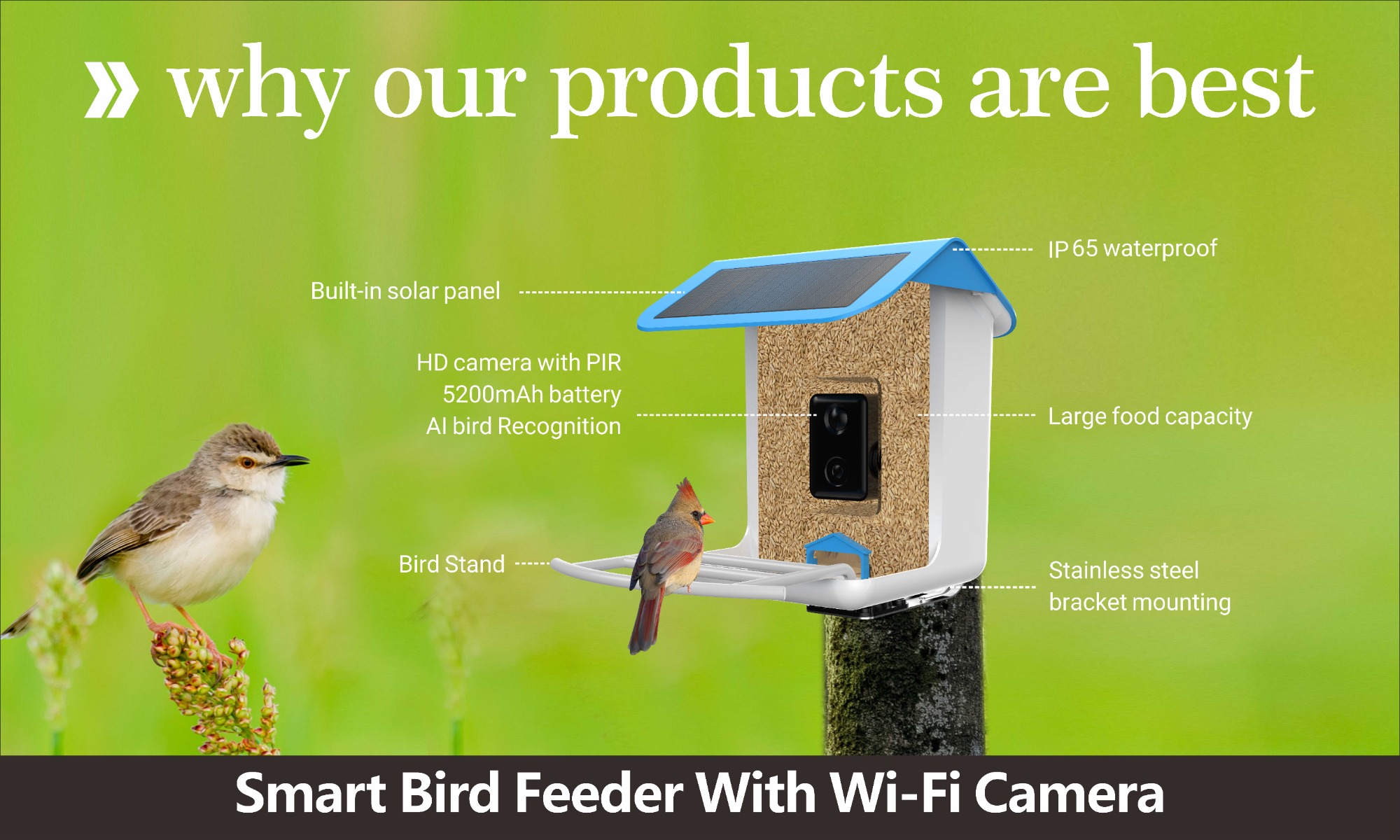
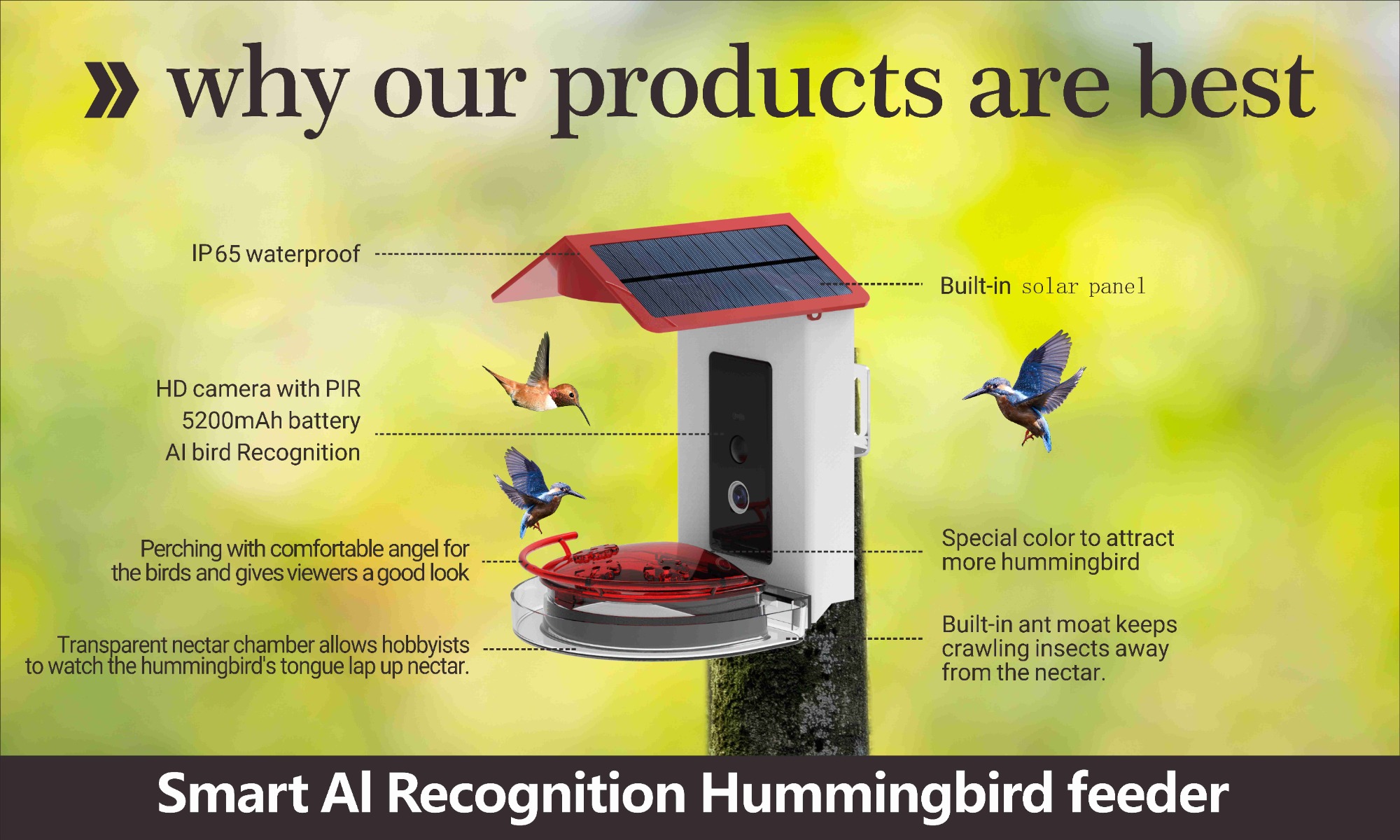
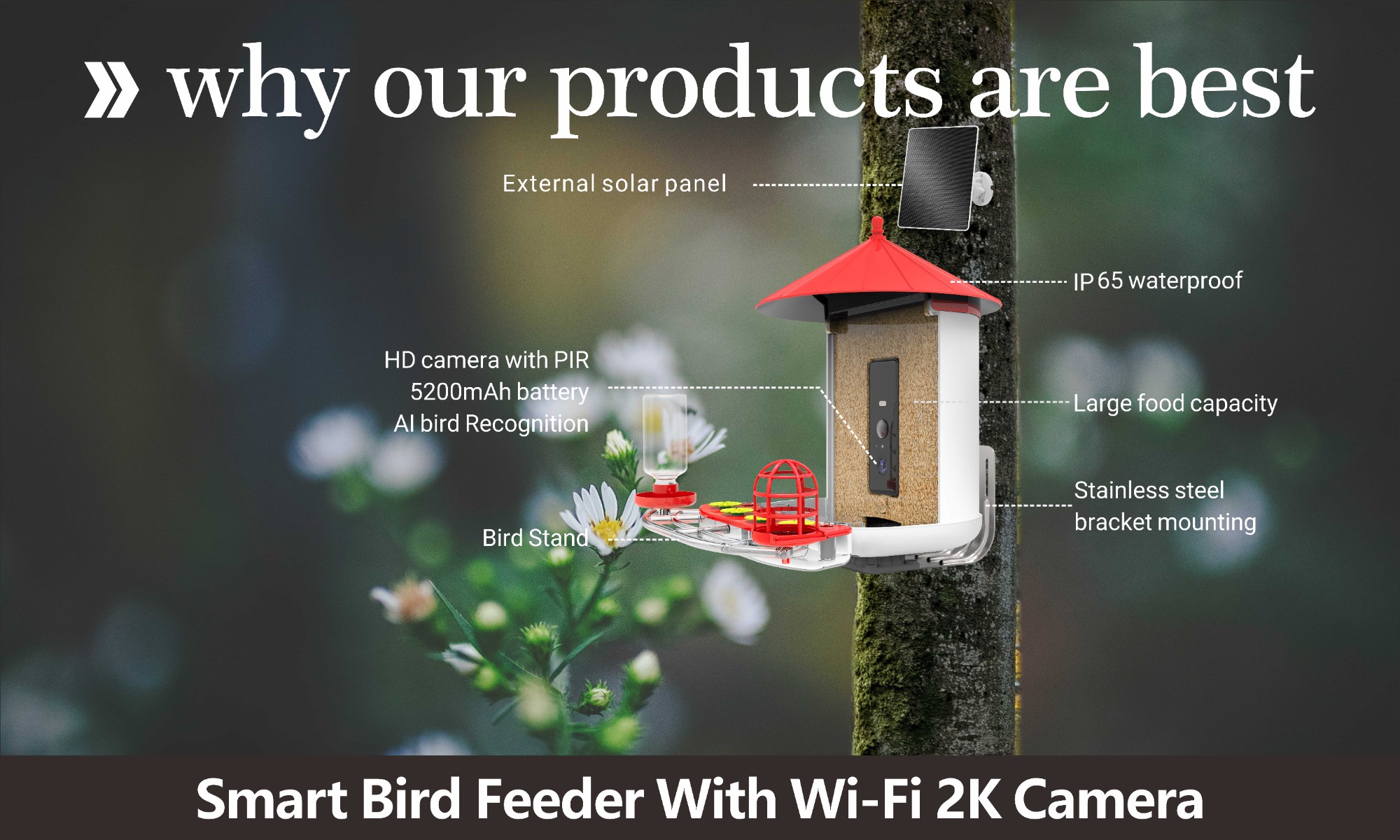
Bird watching enthusiasts seeking a dazzling tropical quarry will find the grey-throated minivet (Pericrocotus solaris) a living marvel. Dubbed the “solar-powered bird” for its scarlet plumage that reflects 550nm light wavelengths, this species transforms sunlight into a survival toolkit. Its iridescent feathers create flickering red signals visible across forest canopies—a spectacle best captured using modern tools like AI bird cameras to decode its visual language.

The minivet’s crimson hues aren’t just aesthetic; they’re evolutionary engineering. Bird watchers can amplify their sightings by:
Pro Tip: Pair thermal imaging with AI bird cameras to detect the 2.3°C temperature spike in females during courtship—a behavior first revealed by infrared studies.
Satellite data shows minivet survival hinges on intact forests—where every 1km² of fragmentation reduces breeding success by 7.4%. Bird watchers can contribute:
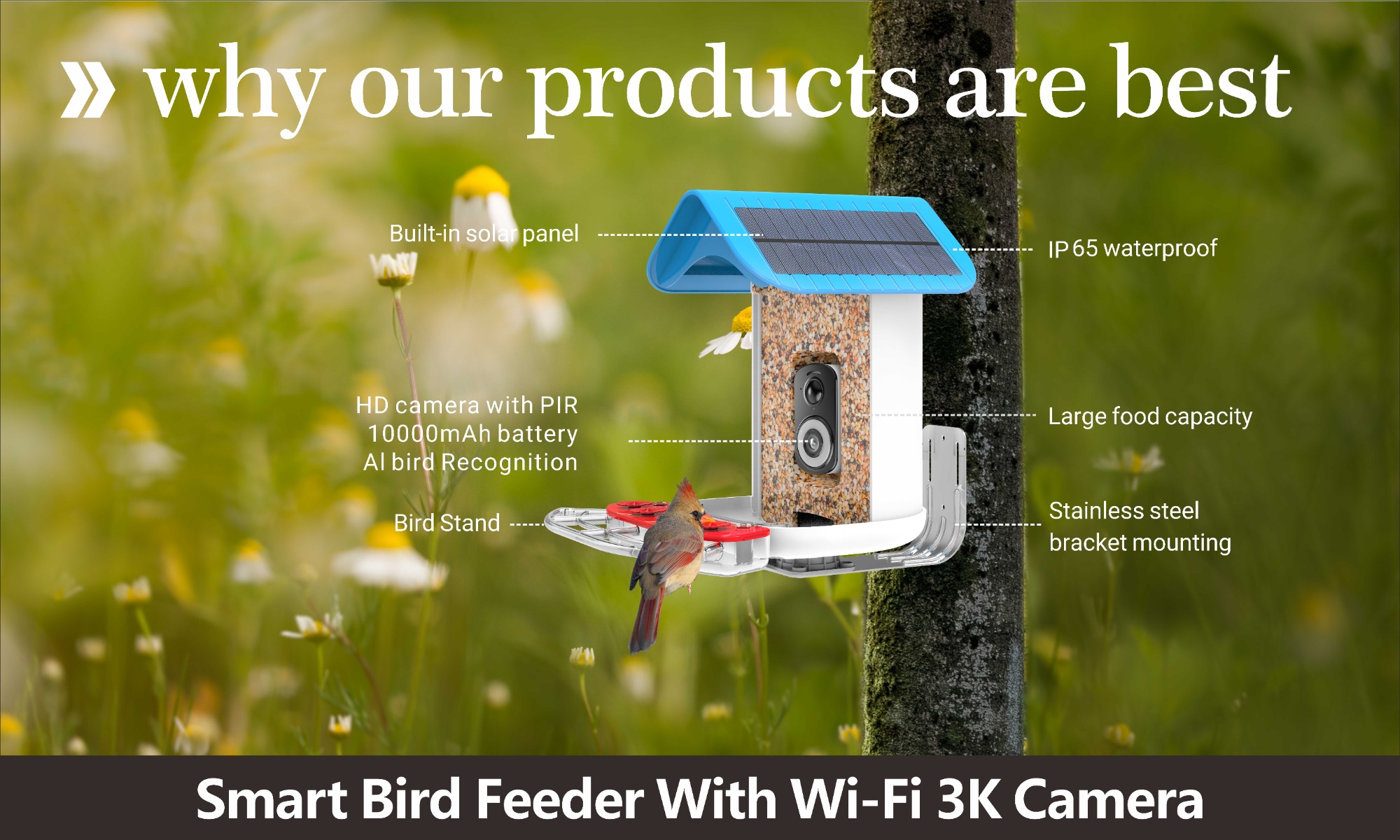
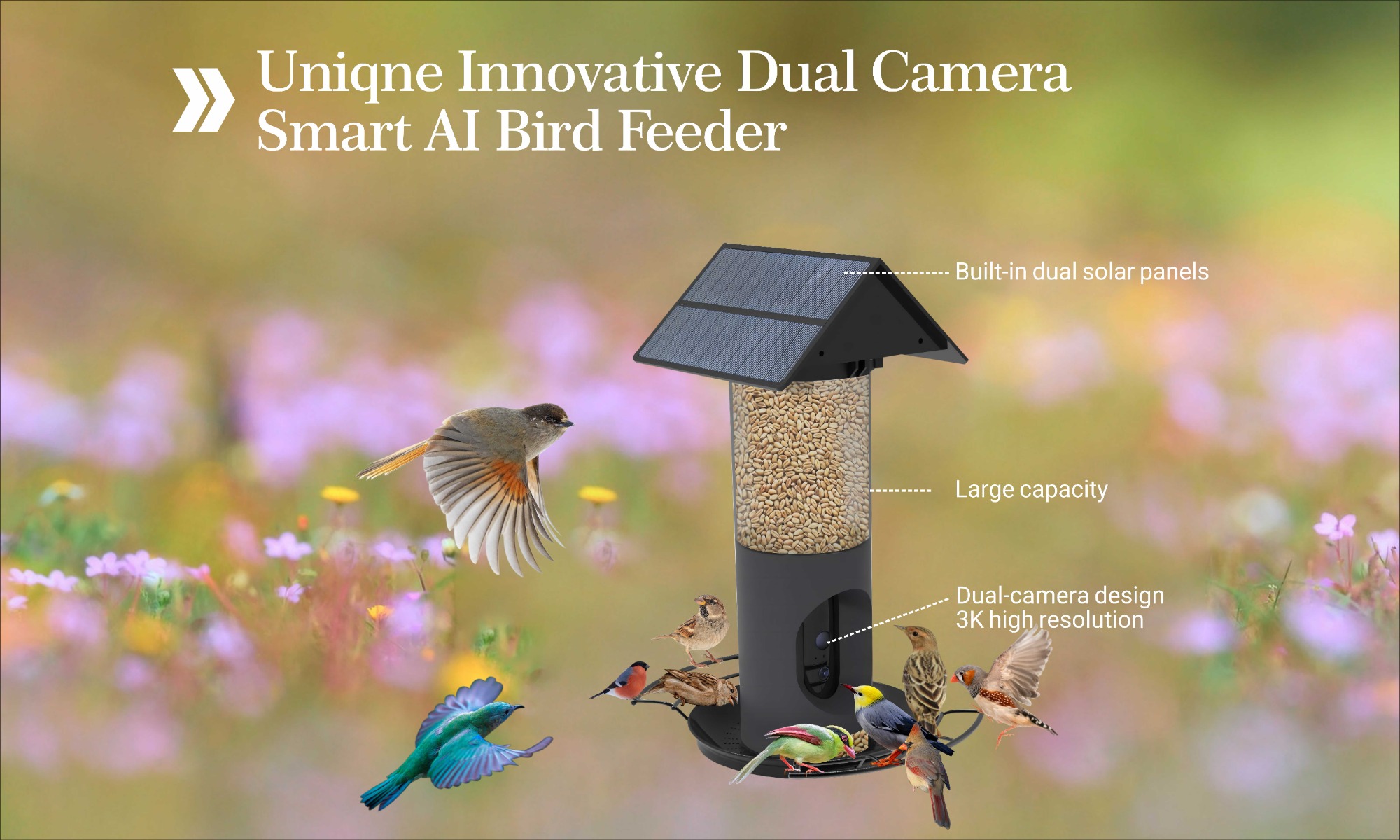
Climate shifts are altering their migratory paths; monsoon delays now displace populations by 3.2km/day. Innovative tools like GPS-tagged solar powered bird feeders help researchers track these changes in real time.
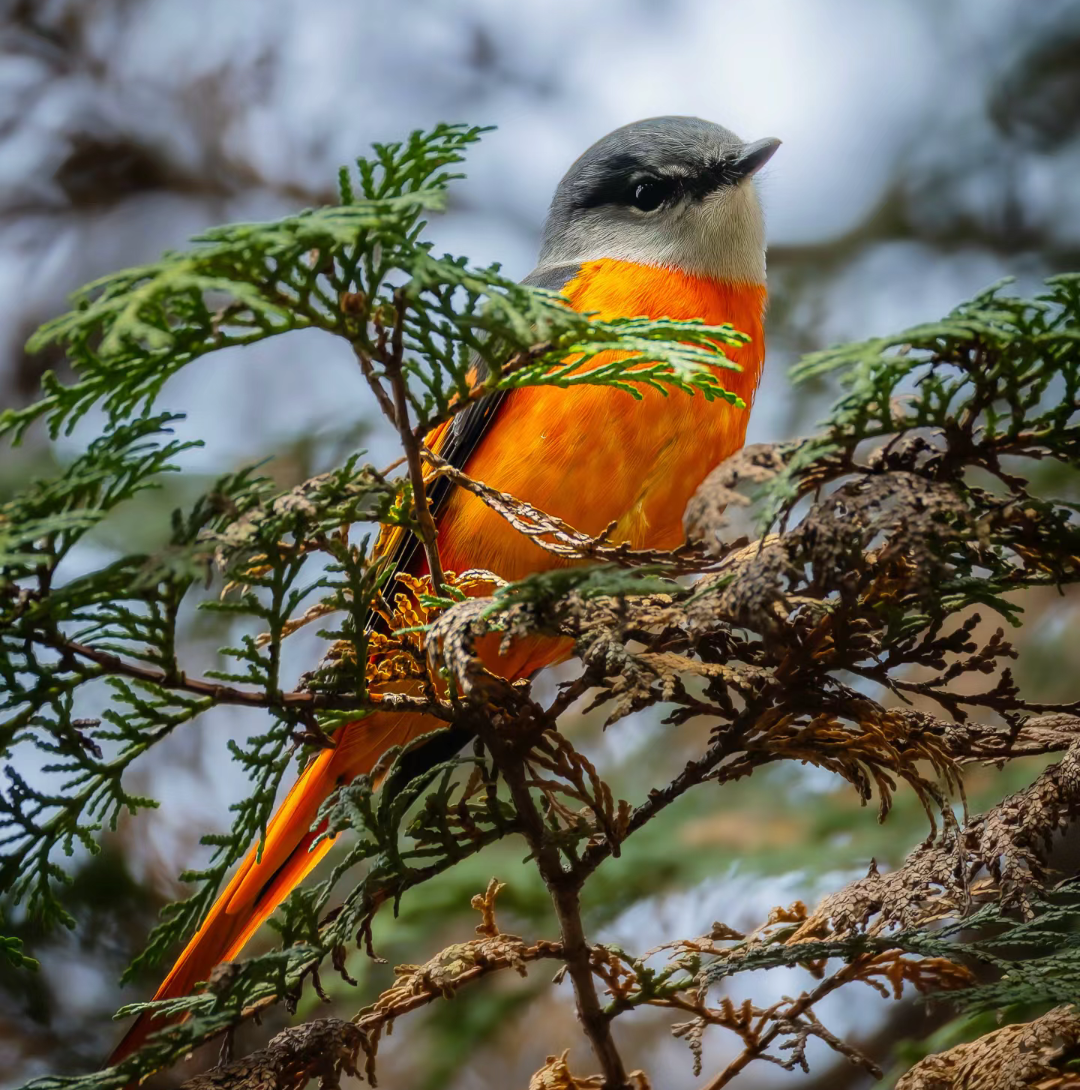
The grey-throated minivet isn’t just a pretty sight—it’s an ecosystem health indicator. Their 88% Lepidoptera-based diet controls pest populations, while their ultrasonic communication network (effective within 300m) reveals how forests “talk.” By documenting them through ethical bird watching practices, we safeguard a species that holds rainforest survival codes in every wingbeat.
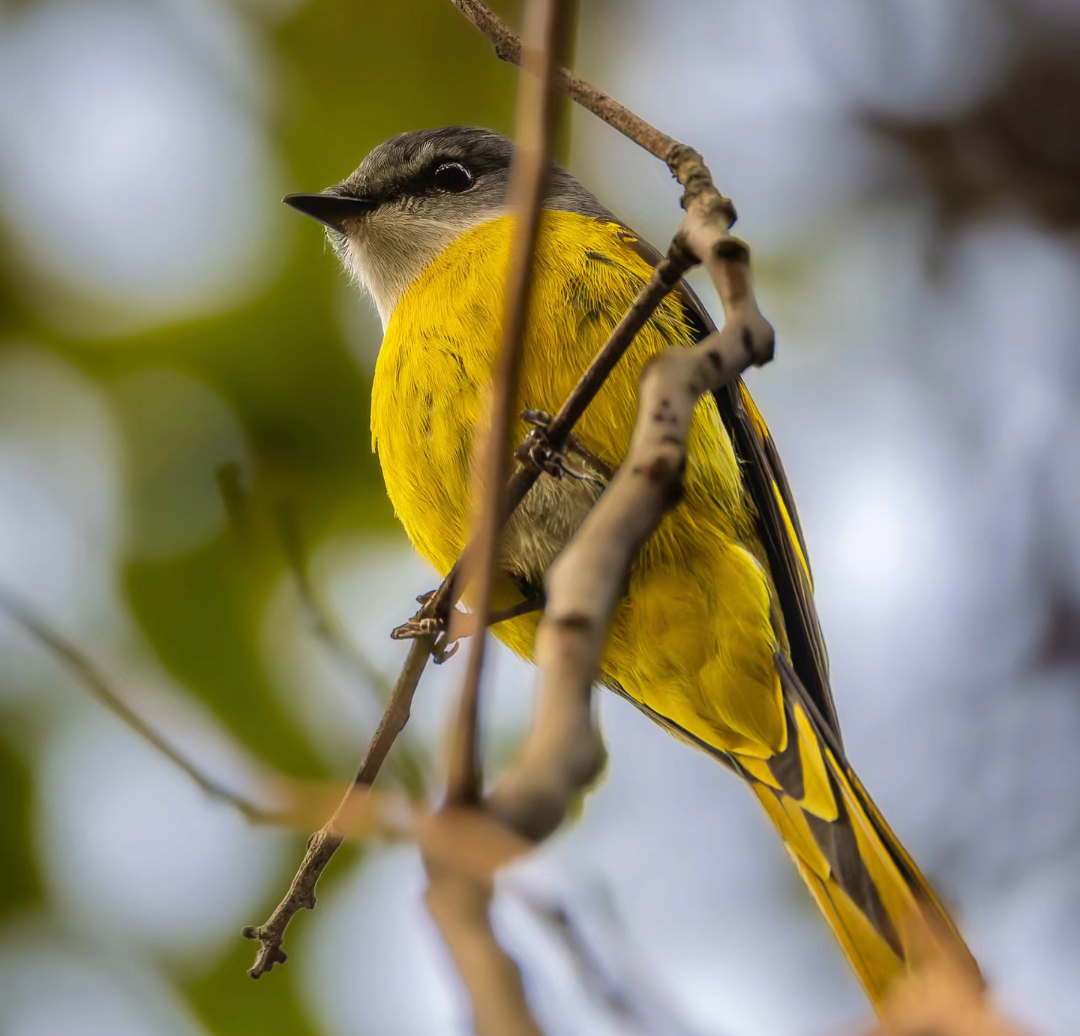
As minivets shrink into high-altitude refuges, tech-enhanced bird watching becomes vital for conservation. Every photo from an AI bird camera, every log from a solar powered bird feeder, builds a lifeline for these crimson navigators. Remember: to watch the grey-throated minivet is to witness evolution’s genius—and humanity’s duty to preserve it.
 Eurasian Wren
 Smart Bird Feeder: How Technology Can Turn Your Backyard into a Bird Paradise
 Birdwatching Essentials: Tools to Elevate Your Experience
 Northern Cardinal